

Meth Addiction Treatment in West Virginia
Hope for Tomorrow provides methamphetamine addiction care at our residential facility in Point Pleasant, West Virginia. Our approach covers medical stabilization, round-the-clock residential support, therapy designed specifically for stimulant use, and treatment for the mental health struggles that often drive it.
Admissions staff pick up the phone any time, day or night: 877-679-8162.


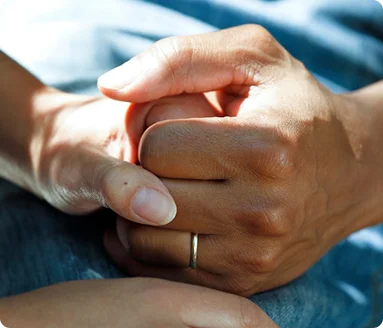
Getting off Meth Safely Starts With Structured Care
Coming off meth isn’t like coming off alcohol or opioids. Methamphetamine is a stimulant, and there’s rarely a dramatic medical emergency when use stops. Instead comes a crash: days or weeks of exhaustion, oversleeping, flat mood, intense cravings, and often a depression that feels endless.
It’s not the kind of withdrawal that lands someone in the ER. It’s the kind that pulls people back to using, which is why getting through it alone so often fails.
Structured care removes the two things most likely to cause a relapse in those first weeks: easy access to the drug, and being alone. In a residential setting, that crash happens somewhere safe, with clinical staff tracking physical and psychiatric symptoms, and support in place for when cravings hit at 3 a.m.
No one can promise a specific outcome. But the earliest weeks carry the highest risk, and being somewhere built for that window makes a real difference.
There’s another reason to take this seriously here. Meth in West Virginia and the surrounding Ohio counties today is high-purity, cheap, and increasingly mixed with fentanyl, often without the user knowing. That means someone who thinks they’re only using a stimulant may also be dependent on an opioid, which is why we screen every admission for polysubstance use rather than take a person’s word for what they’ve been using.
Talk to someone who has been through this. Call 877-679-8162, free, confidential, answered 24 hours a day.
Our Meth Treatment Program
Methamphetamine use disorder is treated across every level of care available at our Point Pleasant facility, starting with medically monitored residential treatment and stepping down to outpatient and continuing care. Residential is where most people begin.


Medical Stabilization and Detox Support
There’s no FDA-approved medication for meth withdrawal. Nothing plays the role Suboxone or Vivitrol plays for opioid recovery. Any facility claiming otherwise isn’t being honest with you.
What medical supervision actually does is manage the crash itself, including:
- Disrupted sleep
- Dehydration and poor nutrition
- Strain on the heart
- Psychiatric symptoms that surface once the stimulant clears, such as depression, anxiety, and sometimes lingering paranoia or psychosis
Our clinical staff stay with you through this stretch and address symptoms as they come up, sometimes with medication when a prescriber decides it fits a specific issue, like trouble sleeping or anxiety.
If you’ve been using meth along with opioids, alcohol, or benzodiazepines, which happens more and more, and increasingly involves fentanyl-tainted supply, the situation changes. Those substances bring withdrawal risks serious enough to need medical management. When that’s the case, our medical detox program typically comes first. Screening for polysubstance use happens automatically at intake.
Residential Treatment, 30 to 90 Days
Residential care puts you under 24-hour supervision at ASAM Level 3.7, the medically monitored intensive inpatient level. You’ll receive:
- Daily clinical sessions
- Counseling (both one-on-one and in groups)
- Psychiatric support
- Family involvement
- A routine to provide structure
- A case manager assigned to you
Most stays fall between 30 and 90 days. There’s no fixed package here; the length depends on what you clinically need and gets reassessed as treatment moves forward.
One thing worth knowing about stimulant recovery: thinking clearly again, memory, focus, and decision-making take weeks or months to fully return, not days. Cutting treatment short while your mind is still catching up puts you at a real disadvantage. Get more details on our residential treatment page.

Ask what a stay would look like for you specifically. Call 877-679-8162, answered 24/7.

Therapy for Stimulant Use
Since no medication treats meth use disorder directly, therapy isn’t a support tool here; it’s the core of treatment. Our program includes:
- Cognitive-behavioral therapy (CBT), which pinpoints the situations, people, and internal states that trigger use and builds practical responses to them
- Reinforcement built on contingency-management principles, offering structured, tangible recognition when abstinence is verified and someone stays engaged in the program. Research on stimulant use disorder points to this as the most effective approach available.
- Individual and group counseling, covered further on our substance abuse counseling page
- Relapse prevention and skill-building that continues into continuing care once you leave
- 12-step involvement built directly into the program for anyone who wants it
Dual Diagnosis Care
Depression, anxiety, PTSD, and stimulant-related psychotic symptoms are common among the people we treat for meth.
Some had these conditions before meth entered the picture. For others, meth caused them. Often it’s both, and sorting out which came first takes weeks of sobriety and clinical observation, not an intake form.
Treating the substance use alone while ignoring the mental health piece leaves the real driver untouched. Our psychiatric services run inside the residential program, so both get addressed together.
This matters especially with stimulants, given what the crash does to mood. Depression after heavy meth use can hit hard, often right when someone has just made the toughest decision of their life with nothing yet to show for it. Having no psychiatric support in place is one of the top reasons people leave treatment early. Having prescribers and staff who expect and treat it isn’t an extra; for stimulant recovery, it’s a necessary part of treatment.

Dealing with meth use and mental health at the same time? Call 877-679-8162. We treat both together.

Signs You or a Loved One Needs Meth Treatment
There’s no checklist you need to fully match to qualify for help. But these are the patterns that come up most on that first call:
- Using more, or more often, than planned, and noticing the same amount stopped working the way it used to
- Days spent awake followed by days lost to sleep, a cycle that has taken over a normal week
- Noticeable weight loss, dental problems, or skin damage from picking
- Paranoia, seeing or hearing things that aren’t there, or deep suspicion toward people close to you
- Work, childcare, or housing slipping, or already lost
- Trying to stop, staying clean for a while, then going back. Sometimes more than once
- Family members quietly hiding money, or who have stopped bringing it up altogether
If several of these sound familiar in yourself, that’s reason enough to call. If they sound familiar in someone you care about, our team can help you figure out how to bring it up. See how to help someone with addiction.
Chest pain, seizures, a dangerously high fever, loss of consciousness, or stroke-like symptoms during meth use mean it’s time to call 911 immediately. A meth overdose is a medical emergency. If you or someone nearby is having thoughts about suicide, the 988 Suicide and Crisis Lifeline is there any time, day or night, by call or text at 988.
Not sure if it’s serious enough to need treatment? That’s a normal question, and we talk people through it every day. Call 877-679-8162.
Insurance and Admissions, Call 24/7
We are in-network with most West Virginia payers and a growing number of Ohio payers:
- Aetna
- Highmark BCBS WV
- Humana
- Medicaid of WV
- Medicare WV
- Magellan Health
- Public Employees Insurance Agency (PEIA)
- The Health Plan
- United Medical Resources (UMR)
- Unicare WVA
- Anthem BCBS OH
- Highmark BCBS OH


Here’s how admission works:
Call 877-679-8162 anytime, or submit an insurance verification and we’ll reach out to you
You’ll go through a brief, confidential assessment so we can match you to the right level of care
We check your coverage and walk you through your expected out-of-pocket cost before anything is finalized
We reserve a bed and set your arrival, frequently the same day or the next. Scheduled admissions within our service area may qualify for transportation help
Patients come to us from all over West Virginia and the neighboring Ohio counties.
Placing a referral? We accept them from hospitals and emergency departments, primary care and behavioral health providers, courts, probation and day-report centers, and case managers. If you’re referring someone, call the same 24/7 line and ask for admissions. We’ll let you know the same day whether we can take them and what paperwork we’ll need.
See our full admissions process for more detail.
Meth Treatment FAQs
Is There a Medical Detox for Meth?
No medication carries FDA approval for treating meth withdrawal, so meth detox doesn’t function like detox for opioids or alcohol. What we offer instead is medically supervised stabilization, watching over and treating the physical and psychiatric effects of the crash in a secure setting before residential care starts.
If opioids, alcohol, or benzodiazepines have also been part of your use, full medical detox might come first, something we check for during intake.
How Long Is Meth Rehab?
Most people stay in our residential program between 30 and 90 days. The exact timeline is based on clinical need and reassessed along the way, and is usually followed by outpatient and continuing care. Given how gradually thinking clears up after stimulant use, plenty of people find the longer end of that range more beneficial.
Does Insurance Cover Meth Treatment?
Usually, yes. West Virginia Medicaid plans and most commercial insurance we accept cover substance use disorder treatment as a standard benefit, though details like level of care, authorized stay length, and your deductible shift from policy to policy. Verify your insurance or call 877-679-8162 and we’ll pin down your exact coverage.
Can I Come to Treatment With My Partner?
Yes, provided you both meet the criteria for admission. Hope for Tomorrow welcomes married and unmarried couples alike. Get more details on our couples rehab page. Each of you is evaluated separately and gets an individual treatment plan.
Meth treatment in West Virginia starts with a simple call. Reach out to Hope for Tomorrow, 3471 Ohio River Road, Point Pleasant, WV 25550. Verify your insurance or reach out to learn how admission works.

Sources
- National Institute on Drug Abuse (NIDA) (2024) Methamphetamine. Available at: https://nida.nih.gov/research-topics/methamphetamine (Accessed September 15, 2026).
- Substance Abuse and Mental Health Services Administration (SAMHSA) (2021) Treatment for Stimulant Use Disorders. Treatment Improvement Protocol (TIP) Series 33. Available at: https://www.uclaisap.org/clinicalproviderquicktips/docs/Joe-Sepulveda/Final-Supporting-Materials/Guides/Manual-3_TIP35.pdf (Accessed September 15, 2026).