

Residential Treatment Programs in West Virginia
Receive full-time support for addiction recovery at Hope For Tomorrow. Our team offers 24/7 residential treatment in Point Pleasant, WV.


Inpatient Rehab for Substance Use and Addiction
Residents in our addiction recovery program receive structure and time away from everyday distractions. We offer residential treatment for alcohol use disorder, opioid use disorder, meth use disorder, stimulant use disorder, and more.
Our Point Pleasant drug rehab guides you through recovery from substance use disorders in a judgment-free environment. When you stay with us, your care begins with an assessment, and we create a personalized treatment plan that works toward your goals and supports your level of care.

What to Expect From Residential Treatment in WV
Residential programs are a great way to immerse yourself in treatment. We’re here to answer your questions about what programs involve.

A Schedule Built for Recovery
Your daily routine will feature a blend of counseling, appointments with healthcare professionals, recovery support meetings, meals, and more.
24/7 Residential Support
Live on-site during your recovery program. You’ll have access to our providers, nurses, counselors, and clinical staff each hour of every day.
A Personalized Treatment Plan
The first step involves an assessment where our team learns about your history, past use, health needs, and what you hope to achieve.
Individual and Group Counseling
Participate in group and one-on-one counseling to address your triggers, habits, and other emotions that may affect your sobriety.
Medication-Assisted Treatment (MAT)
Incorporating MAT in rehab can help people combat cravings, navigate withdrawal, and stay committed to their treatment.
Discharge Planning Support
We provide help and guidance in discharge planning, to help you strategize your ongoing recovery and support needs.
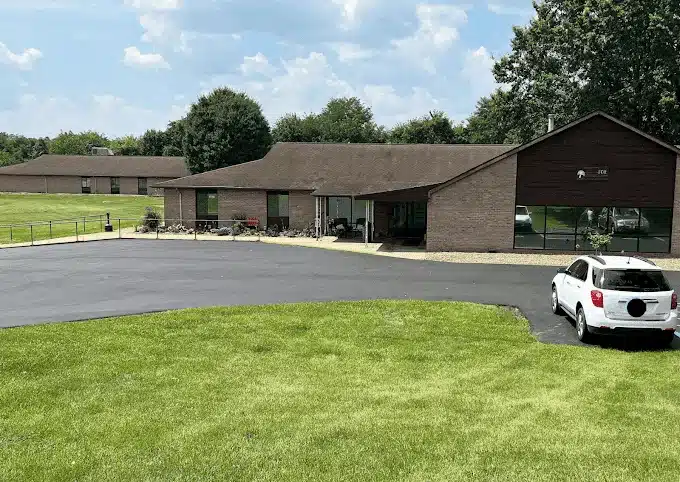
A Supportive Setting for Recovery


Insurance for Rehab in West Virginia
Cost should not be the reason someone avoids asking for help. We’ll assist you in verifying your insurance and clarifying your options before you start treatment.


Why Choose Hope For Tomorrow for Inpatient Rehab
Hope For Tomorrow offers residential rehab in Point Pleasant, West Virginia, with evidence-based practices, full-time support, and staff that will prioritize your recovery first.

Local Care in Point Pleasant
We provide residential rehab for drug and alcohol addiction to those in Point Pleasant, surrounding communities in West Virginia, and Ohio.

A Family-Like, Judgment-Free Setting
We want you to feel comfortable during your recovery journey. That starts with a welcoming, judgment-free environment.

Residential and Outpatient Services
Our levels of care include residential treatment, outpatient treatment, drug and alcohol counseling, and continuing care services.

Support From Intake Through Next Steps
We help with filling out your admission forms, assessments, treatment planning, and coordinating care after residential treatment.

Couples Admissions When Clinically Appropriate
Hope For Tomorrow accepts couples in residential care when appropriate, with each person reviewed for their own treatment needs.

Enjoy Life Again Activities
Residents may join sober activities like cookouts, outdoor movies, meetings, fishing trips, and local outings during treatment.
What Patients Say About Us
Hearing from others can make it easier to make that first call. Read patient and family reviews about their experience with Hope For Tomorrow.
This place is awesome after being there the first time for 30 days I was cleaned for a year
I ended up in surgery and was on fentanyl for 30 days Michelle the head of the program allowed me back in and I stayed for 80 Days. Everyone here is awesome they care about you and treat you like family. They’re easy to talk to great to be around and it’s a wonderful program
Amy L.
Well I just want everyone to know that my hope for tomorrow is a great place all the people that work there is the most kind and caring people you will ever meet.
The facility is really nice and clean. I have told everyone about it how nice and good everyone is and how nice the place is. Michelle really goes out of her way to do nice things for the patients there. I would recommend my hope for tomorrow to everyone you would not be disappointed cause it’s a great place. Thanks to these kind and caring people me and my husband are 32 days sober. You all are the best
Crystal B.
Going to My Hope For Tomorrow was the best decision my fiance and I have made.
They treat you like family and teach you the tools you need to stay clean. Food is amazing and it feels like home. Please if you’re struggling and are looking for a way out this is it. Take that leap. Michelle the director is an amazing soul inside those buildings and outside of them.She takes such good care of her people, treats you like a human. Your feelings matter. The staff is just amazing.
Nicole
Other Levels of Addiction Care at Hope For Tomorrow
Medically Supervised Detox
With medical detox, you’ll receive close attention as your body withdraws, setting the stage for your ongoing recovery.
Intensive Outpatient Program (IOP)
IOP programs offer structured treatment during the day, several times a week, allowing you to return home at night.
Outpatient Addiction Treatment
Outpatient treatment programs are a great fit for those looking for flexible scheduling to continue care after intensive treatment.
Continuing Care Program
Continuing care support is just that: continuing the care you worked hard for after you’re no longer in full-time care.
Start Recovery With Hope For Tomorrow
Start your recovery journey by choosing residential treatment at Hope For Tomorrow. With constant support and a program shaped by your individual needs, you’ll always be guided on your recovery journey.
For any questions, insurance verification, or help getting started, please get in touch with our admissions team.

Frequently Asked Questions About Residential Care
What is residential treatment for addiction?
Residential treatment requires you to live at the rehab facility. You will follow a schedule daily that consists of medical care (if needed), counseling, group therapy, meals, and recovery-enhancing activities.
Is inpatient rehab better than outpatient rehab?
Every individual has different needs. For some, residential treatment provides the 24/7 care and structure they need. For others, outpatient treatment might be a better fit.
How long do you stay in residential rehab?
Because everyone’s recovery journey is unique, the length of your stay in residential treatment will differ. Some people need only a few weeks while others may benefit from a couple of months in treatment.
Does Medicaid cover inpatient rehab?
Medicaid may cover inpatient rehab if the program and services meet their requirements. Hope For Tomorrow does accept Medicaid, and can help verify your coverage before you start treatment.
What happens during a typical day in rehab?
A typical day could include group counseling, individual therapy, meals, recovery education sessions, and other therapeutic or holistic activities. Having a predictable schedule helps you stay focused, while building up healthier routines.
What should I bring to inpatient rehab?
Bring comfortable clothing, basic personal items or toiletries, essential documents, and any approved medications you take. Before admission, ask the team for the current packing list, so you know what’s allowed.
Can family visit during residential treatment?
Visiting rules can vary based on the program, schedule, and your stage of care. Ask our admissions team, who will happily explain the visitation guidelines before you arrive.
How do I get into residential treatment?
You can start by calling Hope For Tomorrow at 877.679.8162. The team can answer your questions, complete an intake assessment, verify insurance, and explain the next step.